Forest Hill Office Flower Subscriptions for Local Businesses
Posted on 13/10/2026
If you run a business in Forest Hill, you already know how small details shape first impressions. Fresh flowers in a reception area, meeting room, or shared office can quietly change the mood of a place. They soften hard edges, make a room feel looked after, and give clients something pleasant to notice before the first handshake. Forest Hill Office Flower Subscriptions for Local Businesses are a simple way to keep that feeling going every week or every month without making it another thing on your to-do list.
In this guide, we'll look at what office flower subscriptions are, how they work, who they suit, and how to choose the right setup for your workplace. We'll also cover practical mistakes, cost considerations, and a few best-practice points that local businesses often overlook. Nothing flashy. Just the real stuff that helps you decide whether a subscription makes sense for your office.
Why Forest Hill Office Flower Subscriptions for Local Businesses Matters
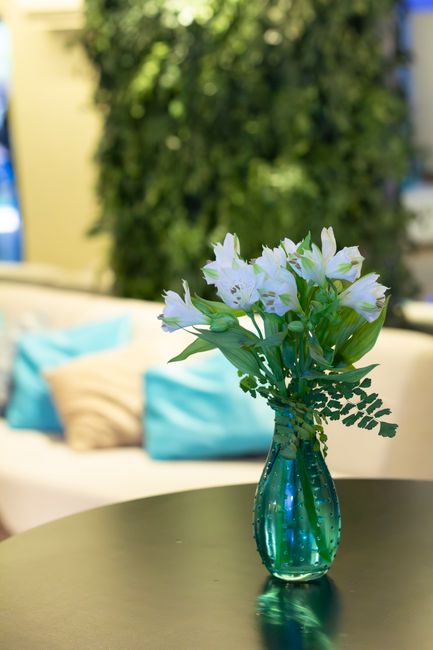
Office flowers are not just decoration. For many businesses, they are part of the atmosphere people experience the moment they walk in. In a busy office day, that matters more than people admit. A tidy vase on the reception desk can make a space feel calmer, more welcoming, and a little more considered. That can be especially helpful in client-facing businesses where every detail quietly says something about your standards.
Forest Hill has its own character too. It's local, varied, and full of independent businesses, practices, agencies, studios, and professional services that benefit from a polished but personal look. A subscription works well here because it suits the rhythm of real working life. You do not need to remember to reorder flowers every week. You simply keep the space looking alive. Easy enough, but also surprisingly effective.
There is another angle as well: consistency. One-off flowers can be lovely, but they often arrive when someone remembers at the last minute. Subscription flowers solve that. They give you a regular refresh that helps a workplace feel maintained, not patched together. And truth be told, people notice. Not always consciously. But they do notice.
Expert summary: For local businesses, the real value of a flower subscription is not just the flowers themselves. It is the steady, low-effort sense of care they create in your workspace, week after week.
That consistency can matter in customer service areas, salons, clinics, estate agencies, creative studios, and offices where staff spend long hours indoors. On a grey morning in SE23, a fresh arrangement can lift a room in a way fluorescent lighting never will.
How Forest Hill Office Flower Subscriptions for Local Businesses Works
At its simplest, a flower subscription is a repeat flower delivery service. You choose a schedule, style, budget, and delivery preference, and arrangements arrive regularly. Some businesses prefer weekly delivery because their reception is busy and flowers get noticed immediately. Others choose fortnightly or monthly because they want a more relaxed upkeep schedule and a better fit for budget planning.
The process usually starts with a few practical decisions:
- Placement: reception desk, meeting room, break area, shared kitchen, or client lounge.
- Style: modern, traditional, seasonal, neutral, colourful, or brand-aligned.
- Size: a compact vase arrangement or a larger statement display.
- Budget: a cost that makes sense for regular spend rather than a one-off treat.
- Frequency: weekly, fortnightly, monthly, or a custom rhythm.
Then there is the practical side. A good subscription should be easy to manage, with delivery windows that fit your office hours and arrangements that are simple to place. You should not need a degree in flower arranging to make them look right. If the flowers need constant fiddling, the system is off.
Many businesses also choose a flexible approach to stems and colour palette. That allows the florist to adapt to seasonality, which is often better value and usually looks more natural. Seasonal flowers tend to feel fresher and more interesting than forcing the same bouquet style all year round.
A small but important point: ask how replacements are handled if an arrangement arrives damaged or does not suit the space. A subscription should feel dependable. Not perfect, because life rarely is, but dependable.
Key Benefits and Practical Advantages
The main advantage is obvious: your office looks better without extra admin. But there are several deeper benefits worth considering before you decide.
1. A stronger first impression
If your business receives visitors, flowers help set the tone before the meeting starts. They say the business pays attention to detail. That matters in sectors where trust and professionalism are part of the service, and it often matters more than people think.
2. A more pleasant working environment
Fresh flowers can make a room feel less corporate and more human. That tiny shift can improve day-to-day morale, especially in offices where the same view, same desk, same screen can get a bit much. A small change, but a real one.
3. Less admin for busy teams
One person no longer has to remember to order flowers, collect them, unwrap them, and find a vase that somehow vanished last quarter. The subscription handles the routine. Which, let's face it, is the bit most offices forget.
4. Better budgeting
Regular deliveries make flower spend easier to plan. Instead of random one-off purchases, you get a consistent cost structure. That can help with office management, client-facing areas, or even reception budgets shared across departments.
5. Seasonal variety
Subscriptions often include seasonal blooms, which can be more visually appealing and more practical. When flowers are chosen with the time of year in mind, they usually last better and feel more current. February arrangements should not pretend they are June. You know what I mean.
6. Brand presentation
Flowers can support a brand's tone. A calm, neutral arrangement might suit legal or financial services. A brighter mix might suit a design studio or creative agency. A florist can often tailor styles to fit your business identity without making it feel overdesigned.
| Benefit | What it means in practice | Best for |
|---|---|---|
| Consistency | Fresh flowers arrive on a set schedule | Busy offices and reception areas |
| Time saving | Less ordering, less chasing, less admin | Small teams and office managers |
| Professional look | Spaces feel more polished and welcoming | Client-facing businesses |
| Budget control | Predictable recurring spend | Finance-conscious businesses |
| Seasonal freshness | Flower choices reflect what is available and appropriate | Brands that want a natural, current feel |
Who This Is For and When It Makes Sense
Office flower subscriptions are not only for large corporate spaces. In fact, they often make more sense for smaller local businesses because the visual impact can be immediate. A reception desk in a compact office feels transformed by one well-chosen arrangement. There is nowhere for clutter to hide, which is exactly why flowers work so well.
This option tends to suit:
- Professional services: solicitors, accountants, consultants, brokers, therapists, and clinics.
- Creative businesses: studios, agencies, content teams, and design-led offices.
- Hospitality and retail offices: behind-the-scenes spaces that still receive clients or suppliers.
- Property and estate agencies: where presentation helps build trust quickly.
- Co-working spaces: shared environments that need a welcoming feel without much maintenance.
It also makes sense when you want a simple recurring touchpoint for staff wellbeing or client experience. If your team works hard and the office feels a bit too functional, flowers are an easy way to soften the room. Nothing dramatic. Just enough to make it feel cared for.
When might it not be the right fit? If your space is rarely used, or if reception is unmanned and flowers would sit unnoticed, you may not get enough value from a regular subscription. In those cases, a less frequent schedule or a more targeted delivery plan might make more sense.
Ask yourself two questions: who will actually see the flowers, and what is the purpose of having them there? If you can answer those clearly, you're probably on the right track.
Step-by-Step Guidance
If you want the subscription to work well, start with the space rather than the flowers. That is the bit people often rush. The room decides a lot. Light, layout, traffic flow, desk size, and vase placement all matter more than they first appear.
- Map the spaces that need flowers. Reception, meeting rooms, client areas, and communal spaces all have different needs. A vase for a small desk should not be treated like a boardroom centrepiece.
- Decide the mood you want. Calm and neutral? Bright and upbeat? Seasonal and varied? This choice should match your brand and the type of visitors you receive.
- Choose a realistic delivery cadence. Weekly works for high-traffic spaces. Monthly may suit quieter offices. Be honest about how quickly arrangements will be used or noticed.
- Set a budget before you browse. That keeps the decision practical. It is very easy to fall in love with a display that belongs in a hotel lobby, not a desk beside a printer that jams every Tuesday.
- Check delivery access. Make sure the florist knows where to leave arrangements, who can receive them, and whether there are time restrictions for your building.
- Confirm vase or container options. Some offices prefer ready-to-display arrangements. Others already have containers and just want stems. Be specific.
- Review substitutions and freshness standards. Flowers are seasonal, so substitutions are normal. The key is whether replacements still suit the intended style.
- Assign a point of contact. One person should handle any changes, skips, or special requests. Otherwise messages get lost in the usual office shuffle.
- Test and refine after the first few deliveries. If the flowers are too tall, too fragrant, or simply too large for the space, adjust quickly.
A good subscription should feel like a quiet improvement, not a project. If it starts becoming one, the setup probably needs simplifying.
Expert Tips for Better Results
Small decisions make a big difference here. In our experience, the offices that get the best value are the ones that think about flowers as part of the room, not just as a delivery item.
Match arrangement scale to the space
A low arrangement often works better in meeting rooms because it does not block sightlines. Taller pieces can be useful on reception desks or sideboards, but only if they do not dominate the room. If someone has to crane their neck round a vase during a meeting, that's a bit much.
Use fragrance carefully
Strongly scented flowers can be lovely in small doses, but they are not always ideal in shared workplaces, healthcare-adjacent spaces, or rooms used for long meetings. If your team is sensitive to scent, ask for lower-fragrance options.
Lean into seasonal styling
Seasonal flowers usually look more natural and often deliver better value. They also help the office feel fresh through the year rather than stuck in one decorative mood.
Keep a simple maintenance routine
Even subscription flowers need basic care. Fresh water, a quick stem trim, and removal of fading blooms can extend the life of an arrangement. If the office is busy, set a reminder. A five-minute check on a Monday morning is often enough.
Align with your client journey
Think about what visitors see first. If they enter through a narrow corridor, a compact but elegant display might have more effect than a large arrangement in a room they never use.
Don't overlook colour psychology, but don't overdo it either
Soft whites and greens can feel calm and professional. Brighter mixes can feel more lively and welcoming. There is no single right answer. Just make sure the flowers support the space rather than fighting it.
A little restraint often helps. That's the boring answer, maybe, but it works.
Common Mistakes to Avoid
It is easy to assume office flowers are straightforward. In principle, yes. In practice, a few predictable mistakes can reduce the value quite a bit.
- Choosing flowers that are too large: oversized arrangements can overwhelm a small office or create clutter.
- Ignoring maintenance: even good flowers need basic care, or they stop looking good sooner than they should.
- Picking a style without checking the space: a bouquet might look lovely online but feel out of place in your actual room.
- Forgetting building access: missed deliveries happen when reception hours or access codes are not shared clearly.
- Using scent-heavy flowers everywhere: what feels elegant in one room can be distracting in another.
- Not setting a budget cap: recurring spend needs boundaries, especially in small businesses.
- Expecting exact replicas every time: seasonal work means variation is normal. That is part of the charm, really.
Another common issue is treating flowers as an afterthought. If the arrangement arrives and there is nowhere sensible to put it, the benefit disappears fast. Plan the display spot in advance. Simple, but necessary.
And do not forget the people who use the office every day. Staff usually know best where flowers will lift the space and where they will just sit in the way. A quick internal check saves a lot of faff later.
Tools, Resources and Recommendations
You do not need complicated tools to manage a flower subscription, but a few simple resources help keep things tidy.
- Office floor plan or space notes: useful for deciding where arrangements should go.
- Delivery schedule calendar: helps your team prepare for arrivals and avoid missed drop-offs.
- Internal contact list: one or two named people should manage orders, skips, and access notes.
- Basic care kit: clean scissors or a stem cutter, a jug, and a suitable vase or container.
- Brand guidelines: helpful if you want the flowers to reflect your company colours or tone.
If you want a more predictable service, a dedicated corporate account can make recurring ordering simpler for local businesses. That can be useful if more than one person needs to approve spend or if the office has multiple delivery points.
For ongoing freshness, it also helps to know the basics of flower care. Even a short guide for staff can extend vase life and keep arrangements looking decent for longer. Nothing fancy, just the basics done properly.
If your team values responsible sourcing, look at sustainability information as part of the selection process. Many businesses now prefer arrangements that are thoughtful about packaging, sourcing, and waste. That expectation is increasingly normal, especially in London workplaces where clients ask good questions.
For general ordering or questions, you may also want to use the florist's contact us page, especially if you have delivery access needs or a bespoke office setup. Sometimes a two-minute conversation solves what five emails would not.
Law, Compliance, Standards, or Best Practice
Flower subscriptions are not heavily regulated in the way some services are, but businesses still need to think sensibly about workplace standards and general duty of care. That is especially true in offices with visitors, employees with allergies, or shared spaces.
Good practice usually includes:
- Clear delivery instructions: so flowers are not left in unsuitable or unsecured places.
- Reasonable placement: keep arrangements out of walkways and away from spill risks.
- Awareness of allergies and sensitivities: especially in smaller rooms or high-contact workspaces.
- Safe handling of water and containers: avoid slippery surfaces and broken glass risks.
- Privacy and data care: if ordering as a business customer, use secure processes for account details and communication where relevant.
In practical terms, this is not about formal paperwork for the sake of it. It is about not creating avoidable problems. A beautiful display should not become a trip hazard or a sneezing match. That's all.
If your business serves the public, think about accessibility too. Strong scents, obstructive stands, and narrow pathways can make a space less comfortable. A thoughtful arrangement is one that adds to the room without getting in anyone's way.
It is also worth checking your own office policies on maintenance, reception branding, and visitor experience. For some firms, flowers are part of a wider workplace standard. For others, they are just a morale boost. Either way is fine. Just be consistent.
Options, Methods, or Comparison Table
There is more than one way to use flowers in a Forest Hill office. The best choice depends on space, budget, and how often you want to refresh the look.
| Option | Best for | Pros | Trade-off |
|---|---|---|---|
| Weekly subscription | Busy reception areas and client-facing offices | Always fresh, polished, and noticeable | Higher recurring cost |
| Fortnightly subscription | Offices that want balance between cost and impact | Good freshness without too much spend | Less frequent variety |
| Monthly subscription | Quieter offices or smaller budgets | Simple, economical, low maintenance | Less frequent visual refresh |
| Seasonal refresh only | Businesses that want occasional impact | Flexible, lower commitment | Less consistency |
| Multiple-location arrangement | Businesses with reception, meeting rooms, and breakout areas | Creates a joined-up look | Requires better coordination |
For many local businesses, a mid-sized regular arrangement gives the best balance. It looks intentional, stays manageable, and does not eat into the budget too aggressively. If you are unsure, start modestly and adjust after a month or two. That is usually smarter than overcommitting on day one.
Case Study or Real-World Example
Imagine a small professional office near Forest Hill station. The team sees clients a few times a day, but most work happens quietly behind screens. The reception area is functional, though a little plain. There is a side table, a meeting room, and a modest kitchen area where staff grab tea between calls.
The business starts with a fortnightly flower subscription. They choose neutral, seasonal arrangements with low fragrance and medium height, so the flowers look good on the reception table without blocking the view. The florist delivers in the morning, leaving the arrangement with reception staff. A simple note tells the team where to place it and how to top up the water.
After a few deliveries, the office notices a pattern. Visitors comment on the space more often. Staff stop calling the reception table "the empty corner." One of the directors later asks for a slightly taller arrangement for the meeting room because it frames the space nicely on video calls. Not a huge transformation, but a real one.
The key lesson? The subscription works because it fits the office, not because it tries to impress everyone. The flowers support the environment. They do not shout over it.
That is often the sweet spot for local businesses. A quiet uplift. A better first impression. No drama.
Practical Checklist
Use this checklist before you set up your subscription. It keeps the process calm and avoids a few annoying surprises later.
- Choose the rooms where flowers will be displayed.
- Measure the space so arrangement size feels appropriate.
- Set the budget for recurring spend.
- Decide delivery frequency based on footfall and usage.
- Confirm office hours and access for deliveries.
- Pick a style direction such as neutral, bright, seasonal, or brand-led.
- Check fragrance sensitivity across the team.
- Assign a point of contact for orders and changes.
- Prepare a vase or container if arrangements are not delivered ready to display.
- Plan a maintenance routine for water changes and stem care.
- Review the first delivery and make adjustments if needed.
If you can tick most of those off, you are in good shape. If not, no problem. It's usually just a case of clarifying the basics before the first delivery lands.
Get a free quote today and see how much you can save.
Conclusion
Forest Hill Office Flower Subscriptions for Local Businesses are a practical way to keep your workplace looking fresh, welcoming, and cared for without adding extra admin to the week. They work because they are simple, repeatable, and easy to tailor to real office life. That matters whether you are welcoming clients, supporting staff morale, or just trying to make a room feel less flat.
The best results usually come from thoughtful choices: the right size, the right frequency, and a style that fits the space rather than fighting it. Start with the room, keep the schedule realistic, and choose a florist service that understands business needs. Do that, and the flowers do what they should do. Quietly improve the place.
And honestly, in a busy working week, that little lift can mean more than you expect.
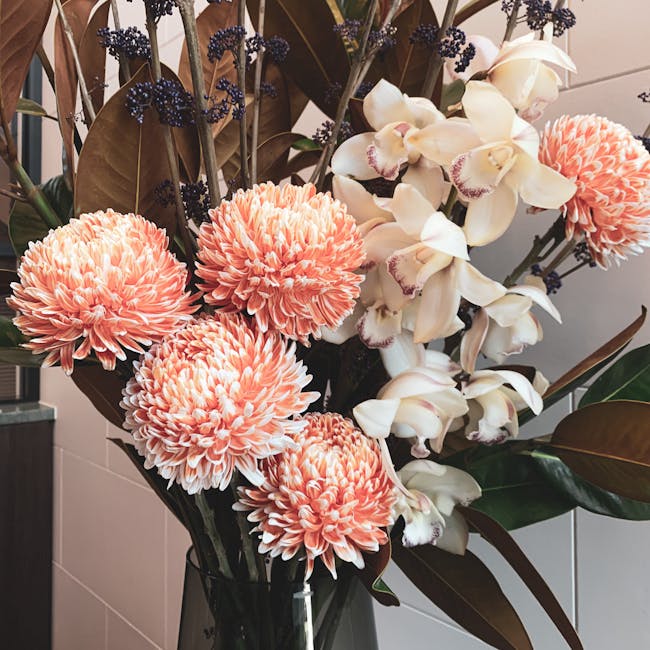
Frequently Asked Questions
What are Forest Hill Office Flower Subscriptions for Local Businesses?
They are regular flower deliveries arranged for offices, receptions, studios, and other business spaces in Forest Hill. Instead of ordering flowers one time, you set up a recurring schedule so the space stays fresh with less admin.
How often should an office receive flower deliveries?
It depends on footfall, room size, and budget. Busy client-facing spaces often suit weekly deliveries, while quieter offices usually do well with fortnightly or monthly arrangements.
Are flower subscriptions suitable for small offices?
Yes, very much so. Small offices often benefit most because even one well-placed arrangement can change the feel of a room. A modest display can have a bigger effect than people expect.
Can the flowers be matched to our brand colours?
Usually, yes. Many businesses choose a colour palette that reflects their branding or the tone of the office. It is often best to keep the request flexible so the florist can adapt to seasonal availability.
What if someone in the office is sensitive to fragrance?
That should be mentioned before ordering. A florist can usually suggest lower-fragrance options or arrangements that work better in shared spaces, meeting rooms, or healthcare-adjacent offices.
Do subscription flowers need much maintenance?
Not much, but they do need basic care. Fresh water, a quick trim, and removing fading stems will help arrangements last longer. A simple Monday check is often enough.
Is a flower subscription better than one-off ordering?
If you want consistent presentation, yes. One-off ordering is fine for special occasions, but a subscription is usually better for offices that want a steady, professional look without constant reordering.
Can flowers be delivered to multiple areas in one office?
Yes, that is common. You might place one arrangement in reception and smaller pieces in meeting rooms or breakout areas. The key is matching each arrangement to the space it will sit in.
What should we do if delivery access is restricted?
Share clear instructions in advance, including opening hours, reception details, security notes, and the correct contact person. A missed delivery is often just a communication issue, not a flower issue.
How do we choose the right style for our office?
Think about the type of visitors you receive, the size of the room, and the mood you want to create. Calm and neutral styles suit many professional settings, while brighter flowers can work well in creative or customer-facing spaces.
Are seasonal flowers a better choice for offices?
Often, yes. Seasonal flowers can offer better value, a fresher look, and a more natural feel. They also help the office look current rather than stuck in one fixed style all year.
What is the biggest mistake businesses make with office flowers?
Usually, it is choosing arrangements without thinking about the space first. A flower display should fit the room, the budget, and the people using it. If those three things are in place, the subscription tends to work well.
For many Forest Hill businesses, flowers are a small detail that does a lot of quiet work. That kind of thing tends to pay back in ways you only notice once the room feels better without you quite knowing why. Nice when that happens.